Two days. Two completely different windows into the soul of the Andes.
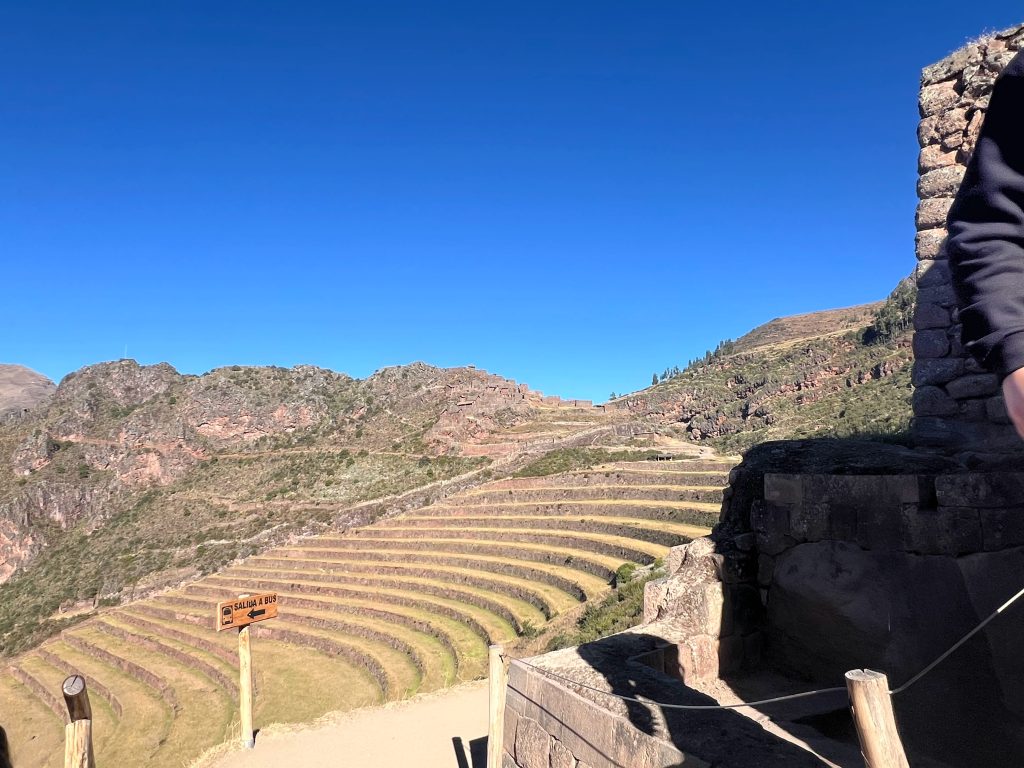
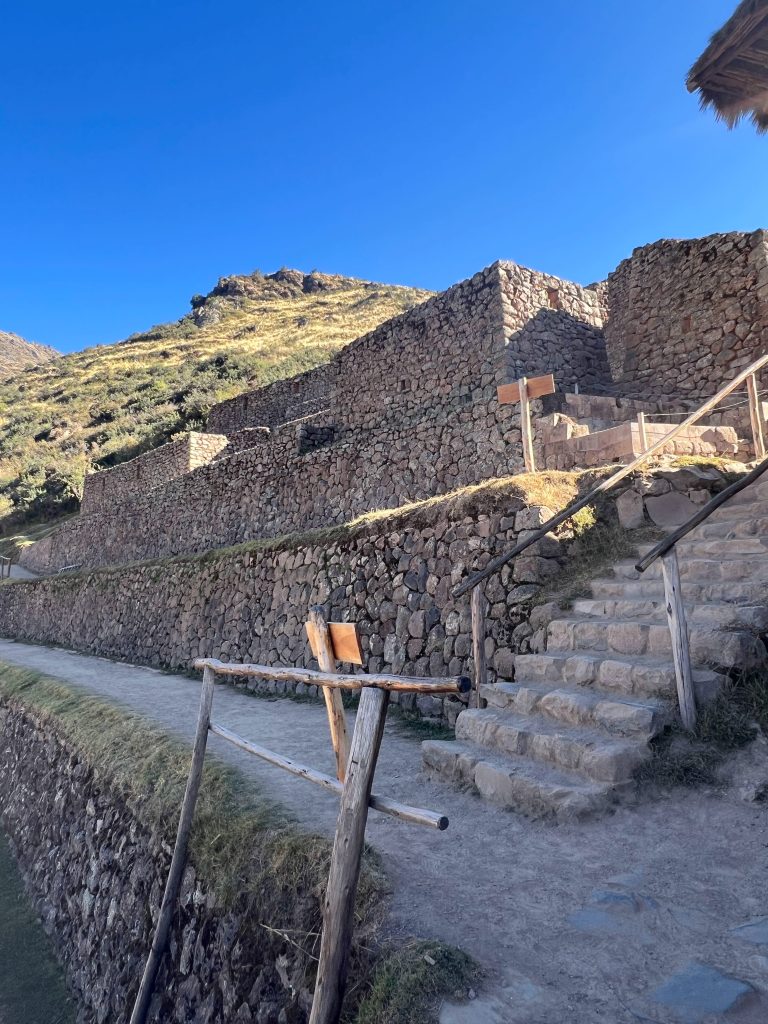
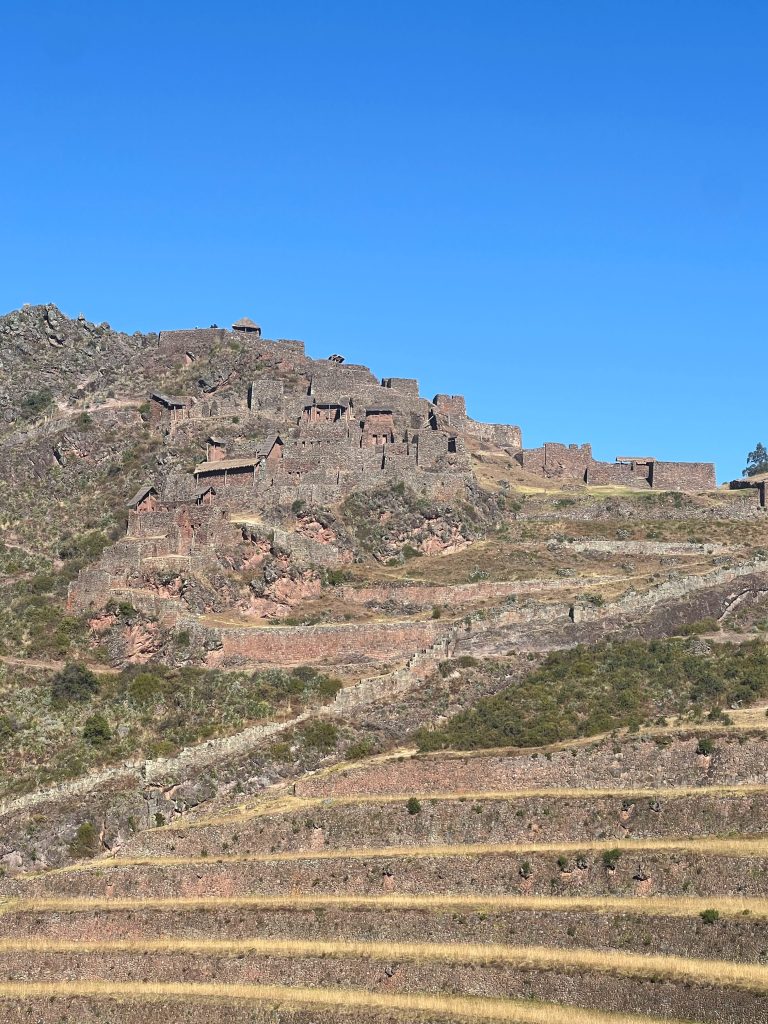
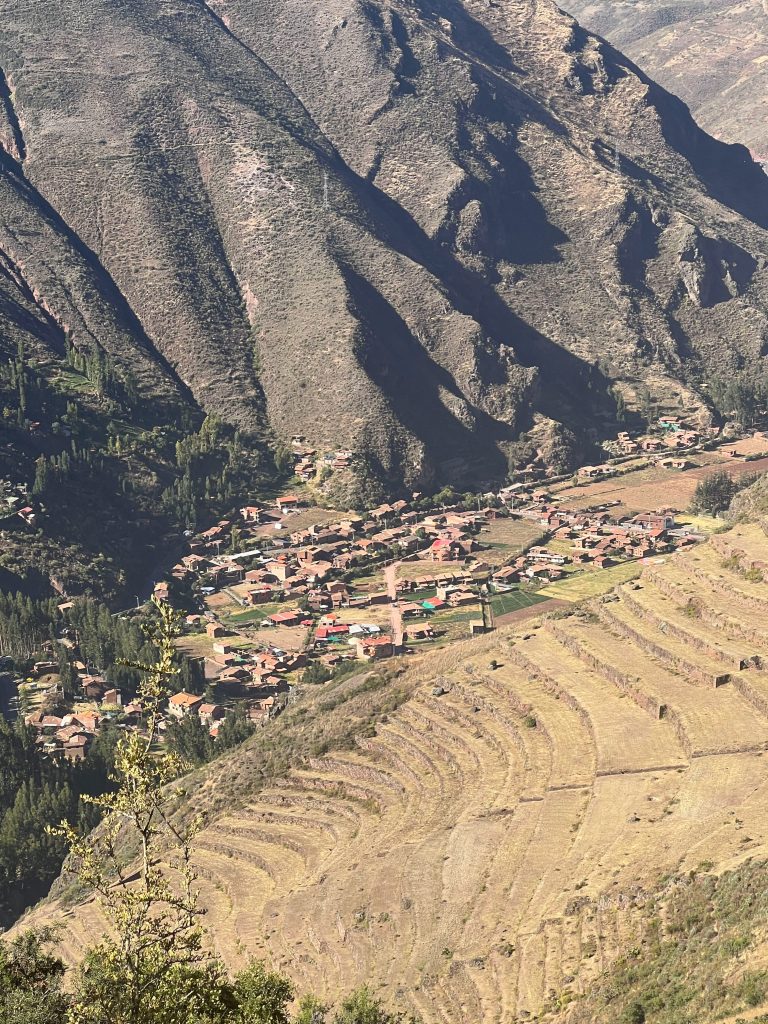
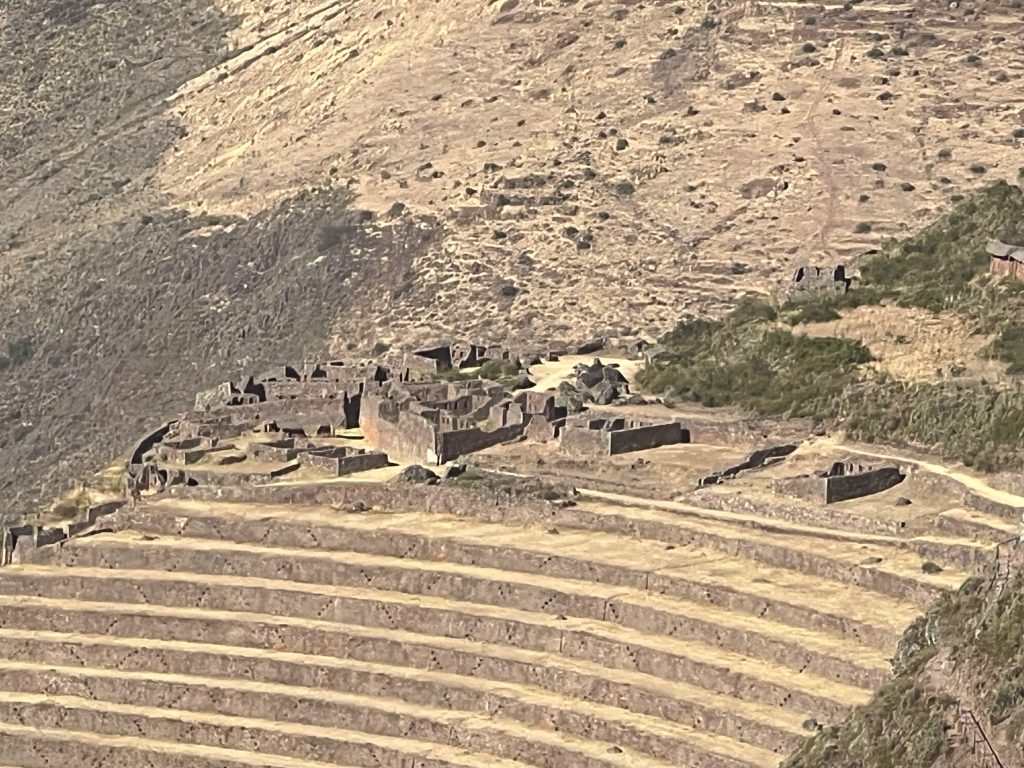
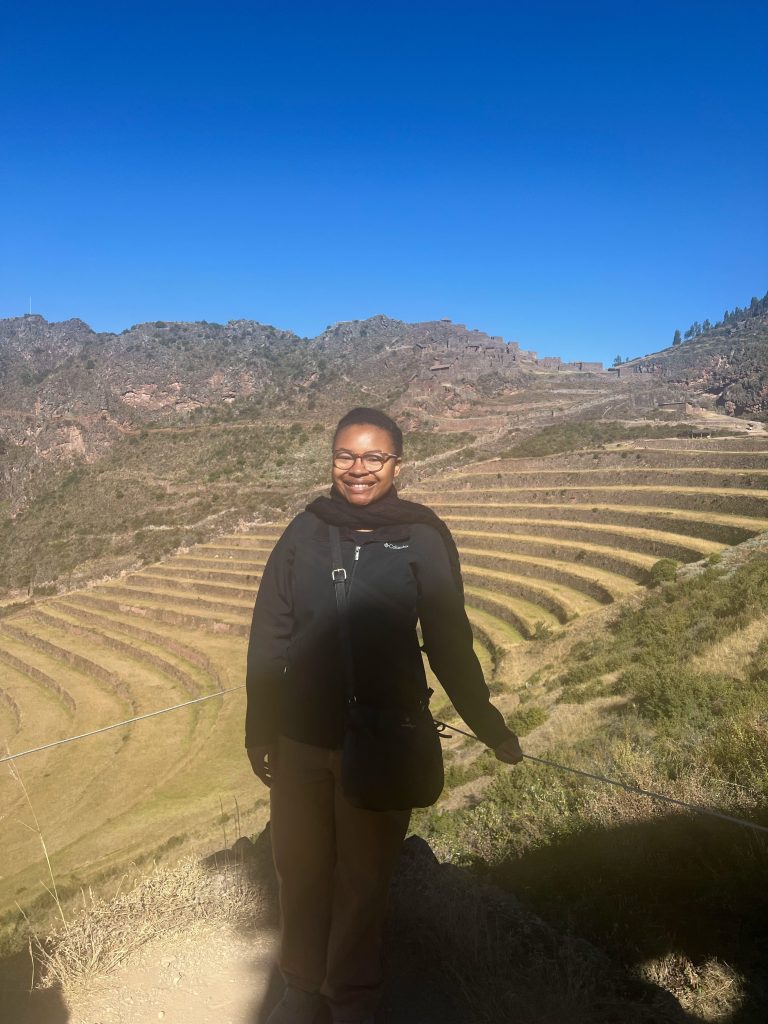
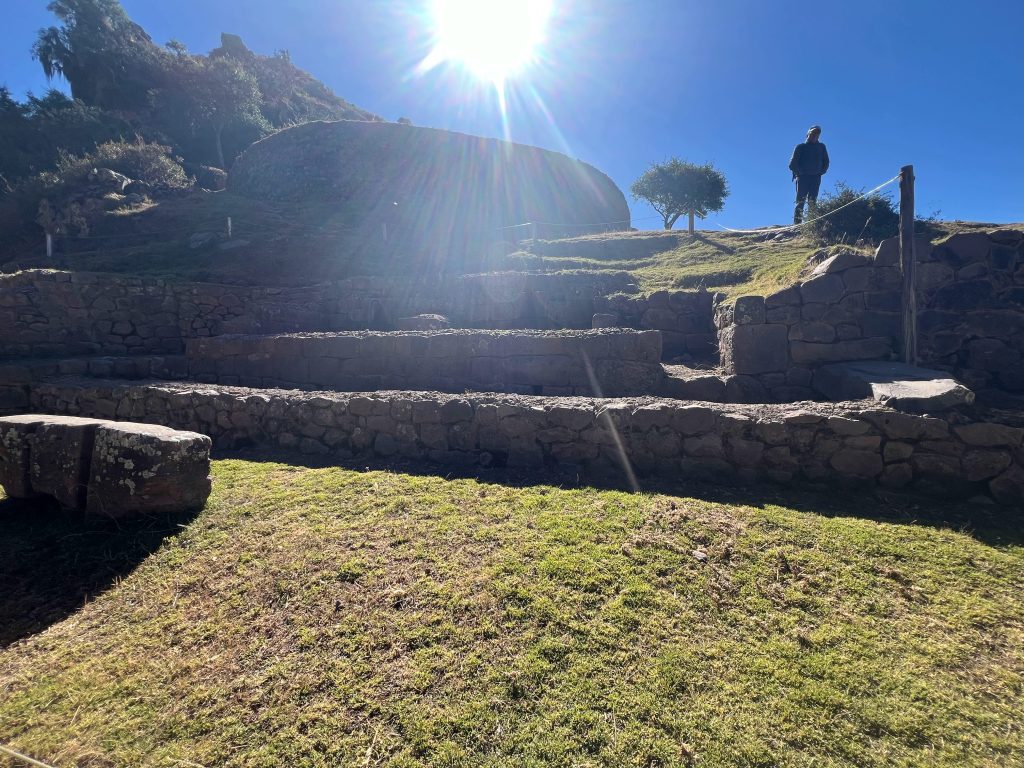
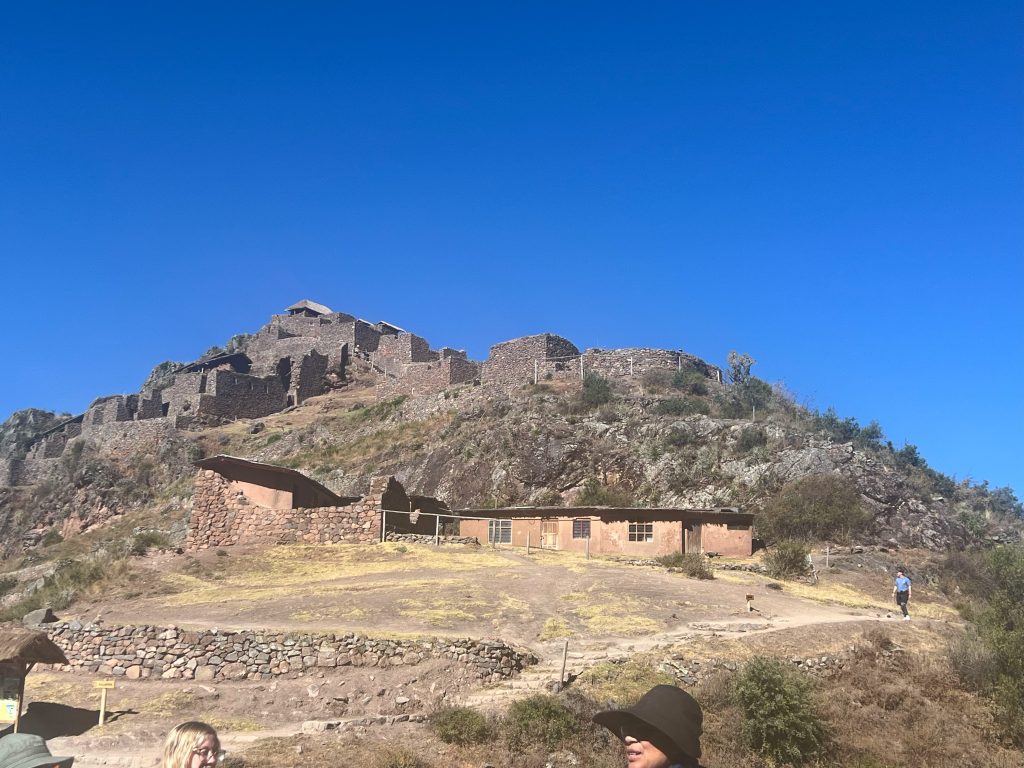
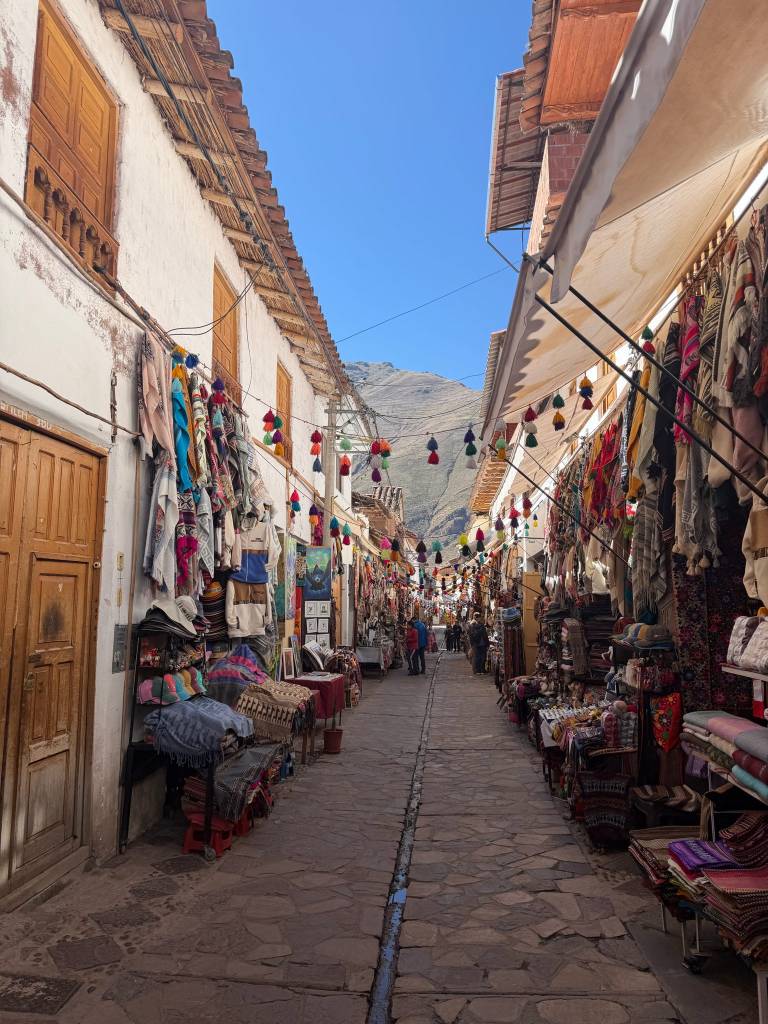
Yesterday was an immersive journey through the vibrant pulse of the Sacred Valley: bargaining amidst the sensory overload of the Pisac market, hiking its towering ruins, sharing a ritualistic lunch at El Albergue, and sitting down for a behind-the-scenes look at Awamaki. Today, I stood in the quiet morning mist of Machu Picchu.
Moving between these ancient stone citadels and living indigenous communities forces you to look past the typical tourist postcards. It sparks much bigger questions about how we interact with history, culture, and the planet.
Redefining Business: Inside the Awamaki Model
One of the most eye-opening experiences of this trip was visiting Awamaki, a nonprofit social enterprise that partners with Indigenous Quechua women’s weaving cooperatives and connects them to global fair-trade markets. Seeing this model in practice offered a striking contrast to the traditional corporate structures I studied in business ethics.
Conventional businesses typically operate through top-down hierarchies designed to maximize shareholder value. Awamaki, by contrast, functions as a horizontal incubator. Rather than employing artisans directly, it collaborates with independent, women-led cooperatives that retain control over their own operations.
The difference is more than organizational, it fundamentally changes the power dynamic. The women determine their own working schedules, establish rotation systems to distribute opportunities fairly, and create guidelines governing how tourists interact with their communities. Awamaki’s role is not to manage or direct but to provide technical training, design collaboration, and access to international markets. In doing so, it acts as an ethical bridge rather than a corporate authority. Awamaki describes its approach as community-driven, focused on supporting women-led cooperatives through market access, training, and sustainable tourism initiatives.
Sustainability as a Structure, Not a Slogan
In many organizations, sustainability appears as a corporate social responsibility initiative or a marketing campaign layered onto an existing business model. At Awamaki, sustainability is woven directly into the structure itself.
Because economic gains flow directly to the women and their families, wealth remains within rural communities. The benefits extend far beyond individual income, contributing to children’s education, healthcare access, and long-term community resilience.
The enterprise also embraces slow-fashion principles. Traditional weaving techniques, passed down across generations, rely on local alpaca fibers and natural dyes derived from plants, minerals, and insects. Rather than competing in a fast-fashion economy built on disposability, these textiles embody durability, craftsmanship, and cultural preservation. What emerges is a model where economic empowerment, cultural heritage, and environmental stewardship reinforce one another rather than compete for priority.
Lessons from the Pachamanca: Stewardship and Andean Cosmology
If Awamaki challenged my assumptions about business, lunch at El Albergue challenged my assumptions about sustainability.
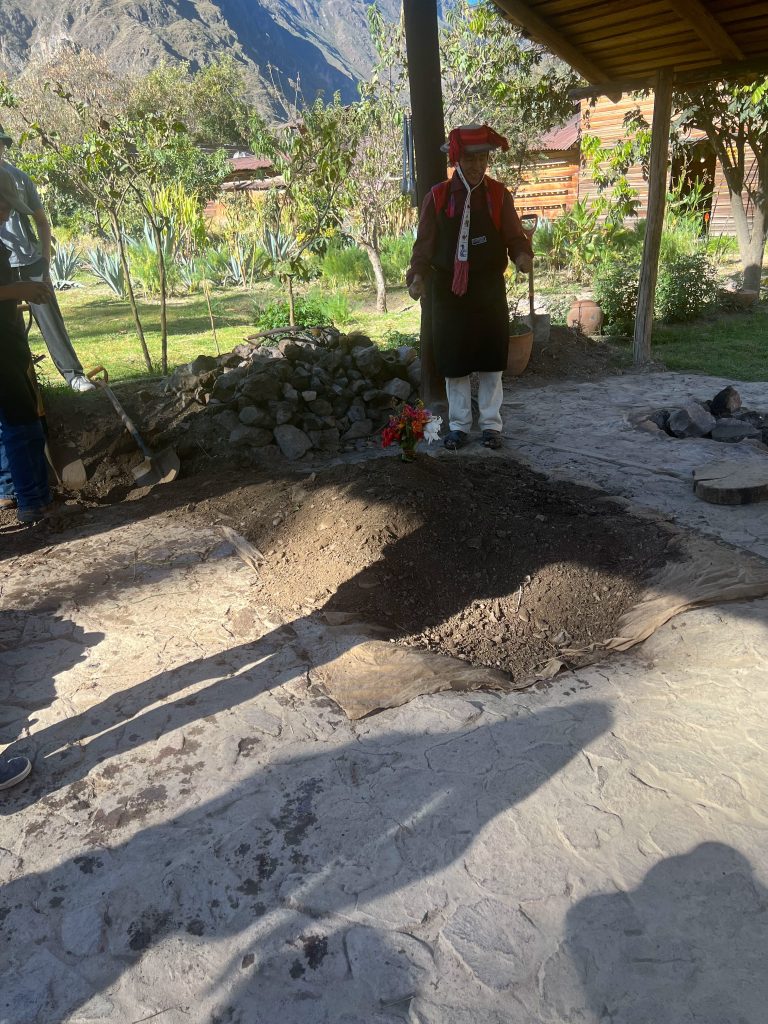
The experience centered around a Pachamanca, an ancient Andean cooking tradition in which meats, vegetables, and herbs are cooked underground using stones heated over an open fire. The word itself comes from the Quechua terms pacha (earth or world) and manka (pot), translating to “earth oven.”
Yet the meal was about far more than food.
In many Western environmental frameworks, sustainability is framed around resource management, conservation, or reducing harm. Nature is often treated as an external system that humans must learn to manage responsibly.
The Pachamanca reflects a fundamentally different worldview rooted in Ayni, the Andean principle of sacred reciprocity, and a living relationship with Pachamama, or Mother Earth. Before the oven is sealed, an offering is made to the ground in recognition of the earth’s role in providing nourishment.
Standing there, it became clear that this philosophy does not position humans as managers of nature. Instead, humans are participants within it. The land is not merely a resource to be protected; it is a living relative to whom respect and reciprocity are owed.
That distinction may seem subtle, but it carries profound implications. Sustainability ceases to be a regulatory obligation and becomes an ethical relationship.
Spotting Circularity in the Valley
One concept frequently discussed in our corporate visits is the circular economy: designing systems that eliminate waste, keep materials in use for as long as possible, and regenerate natural ecosystems.
Across the Sacred Valley, I found myself noticing examples of circularity everywhere.
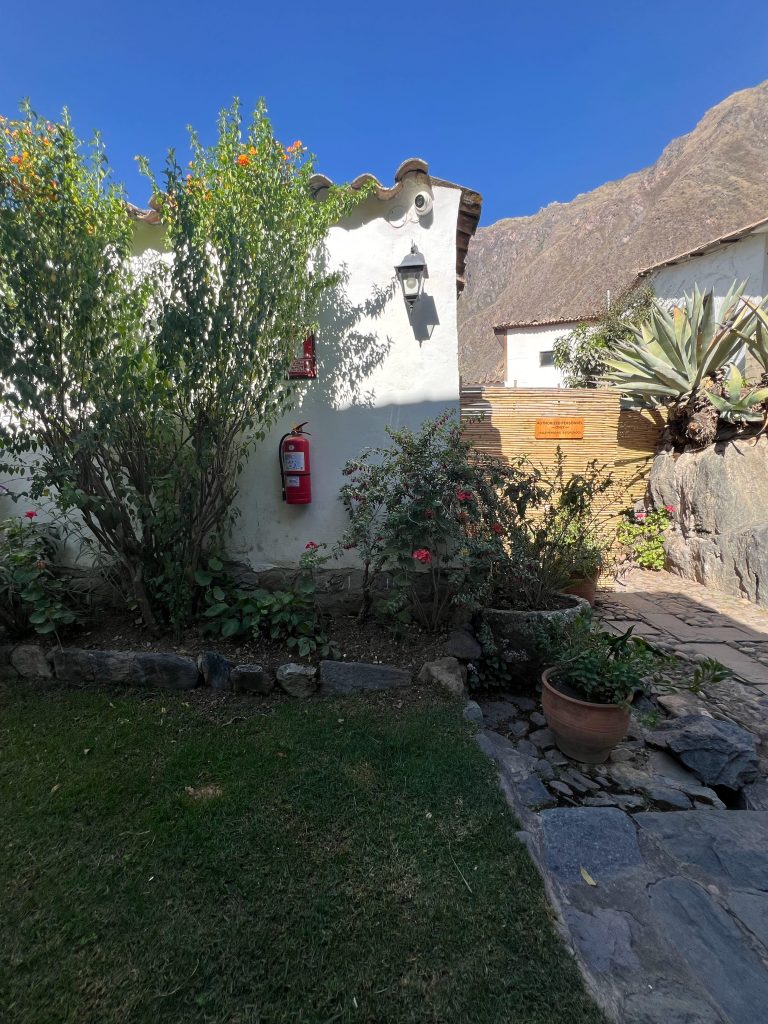
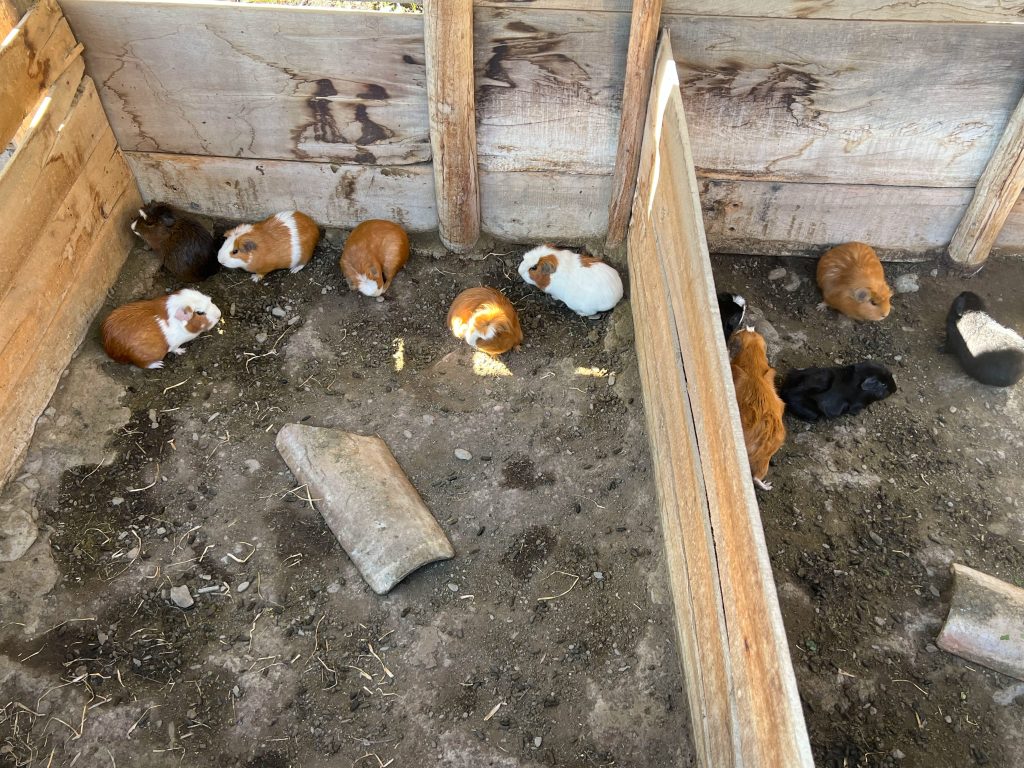
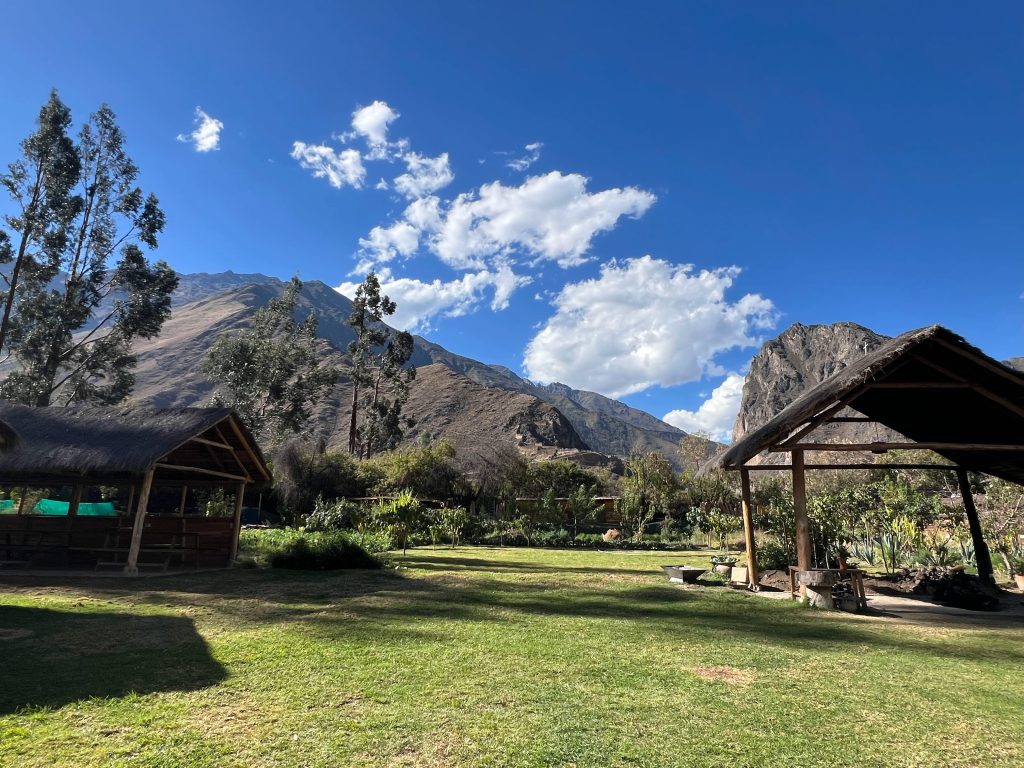
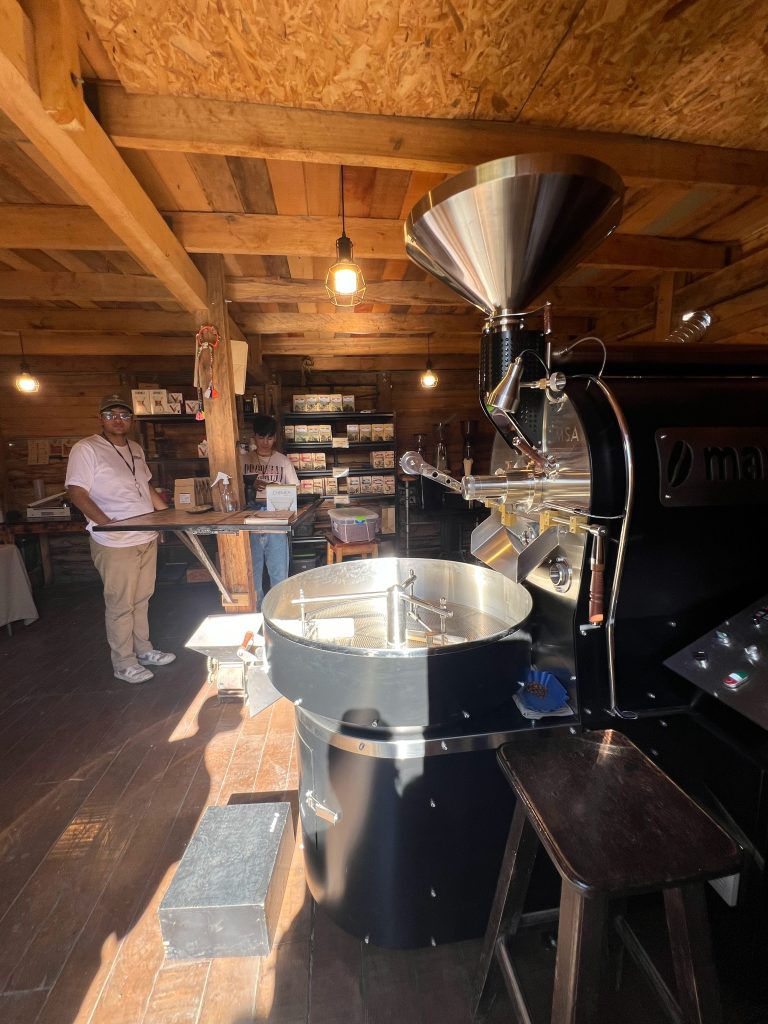
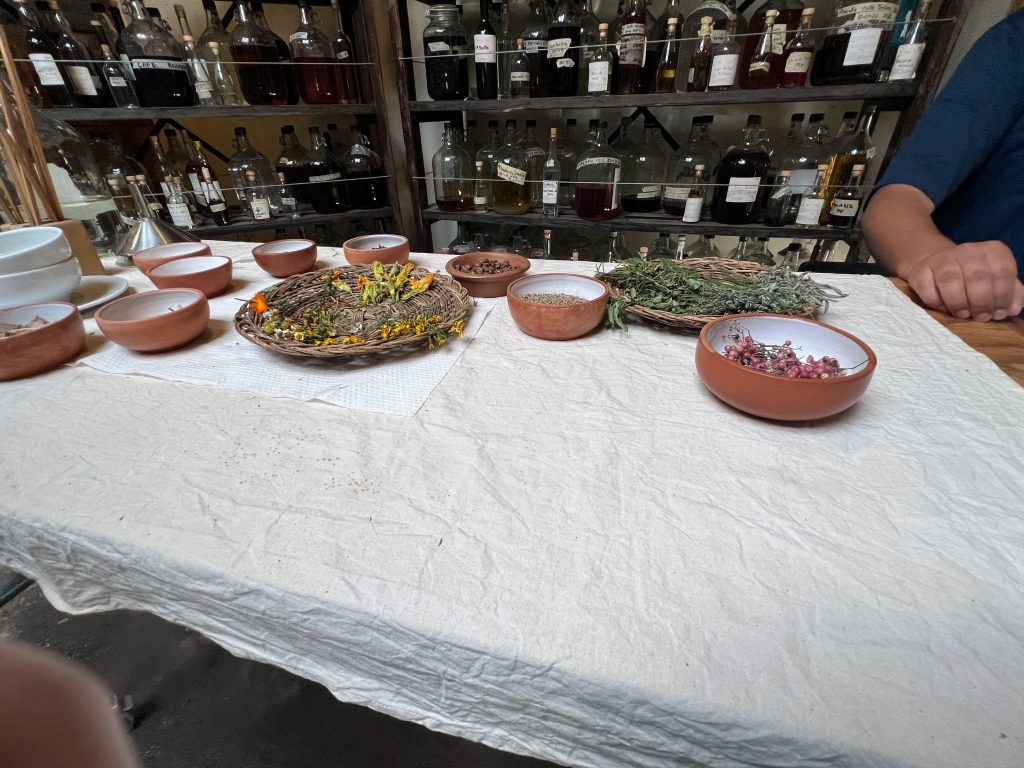
At El Albergue’s organic farm, crop residues and kitchen scraps are composted and returned to the soil. Local ingredients are grown and incorporated directly into meals, while byproducts are reused rather than discarded. The property’s farm, restaurant, distillery, and coffee roastery operate as interconnected systems rather than isolated businesses. Much of the restaurant’s menu is sourced directly from the farm and local producers, creating a localized cycle of production and consumption.
Fun Fact: There was even compost in the restrooms!
Think of Awamaki, traditional Andean textiles provide another example. Wool is sourced from local alpacas, spun by hand, and dyed using natural materials. These textiles are built for longevity, often lasting decades before being repaired, repurposed, or passed on. Unlike synthetic fabrics, they generate no microplastic pollution and leave behind virtually no chemical footprint.
What many organizations are now trying to design into modern supply chains has, in some cases, existed in Andean communities for centuries.
Machu Picchu Beyond the Spectacle
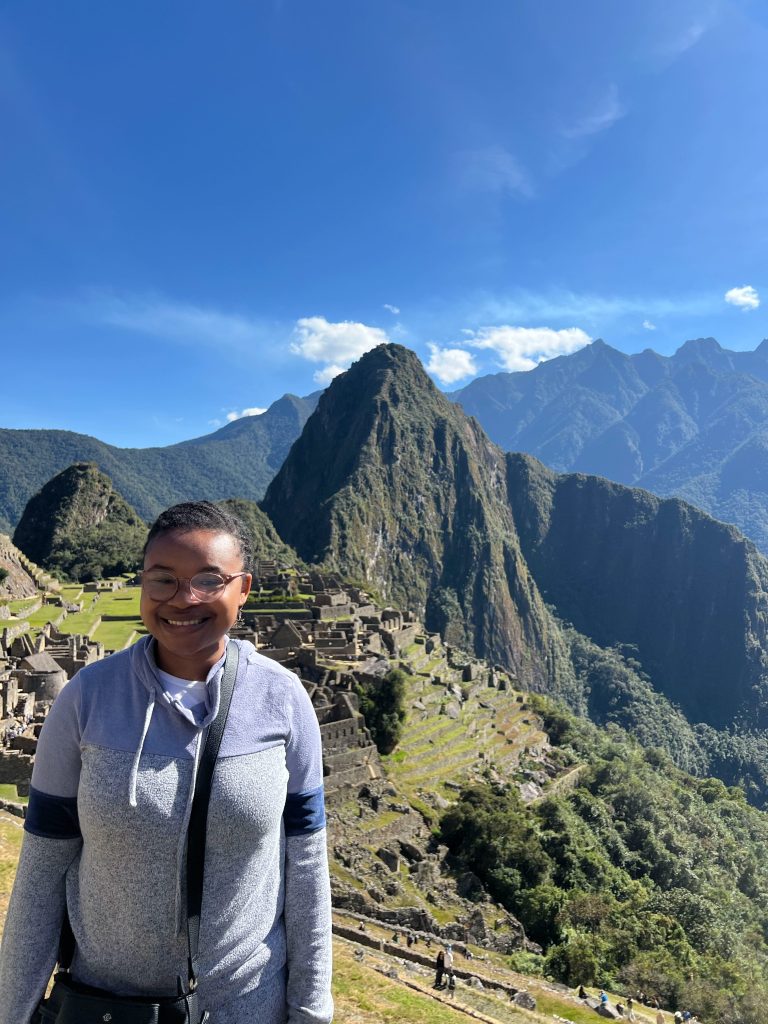
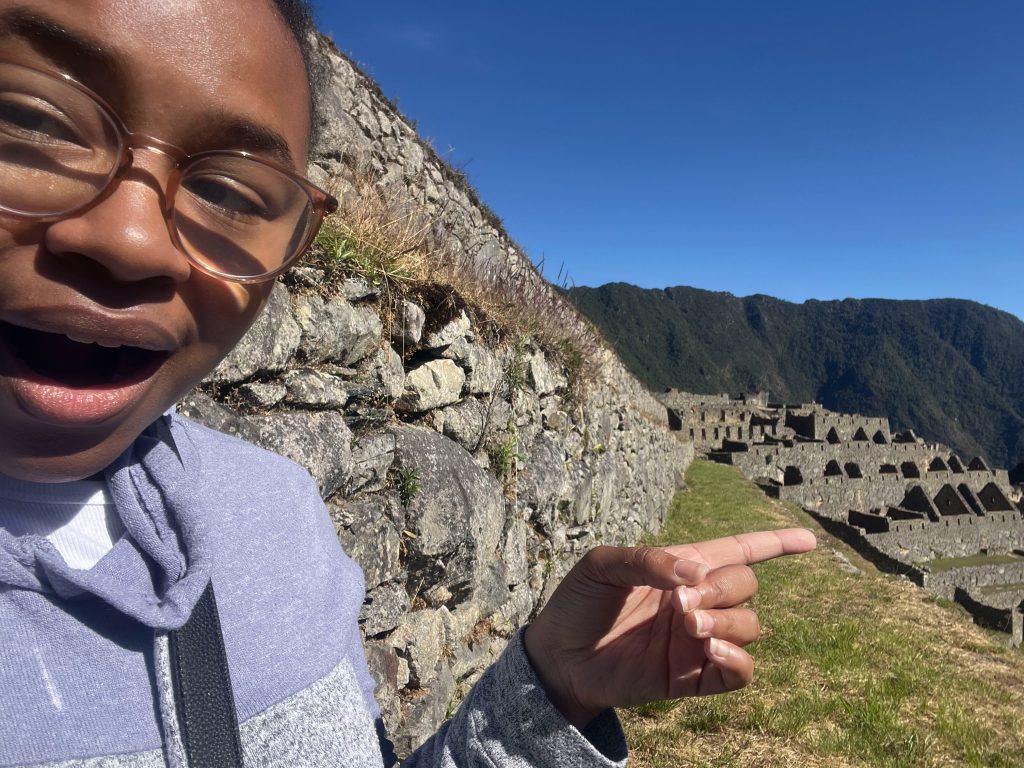
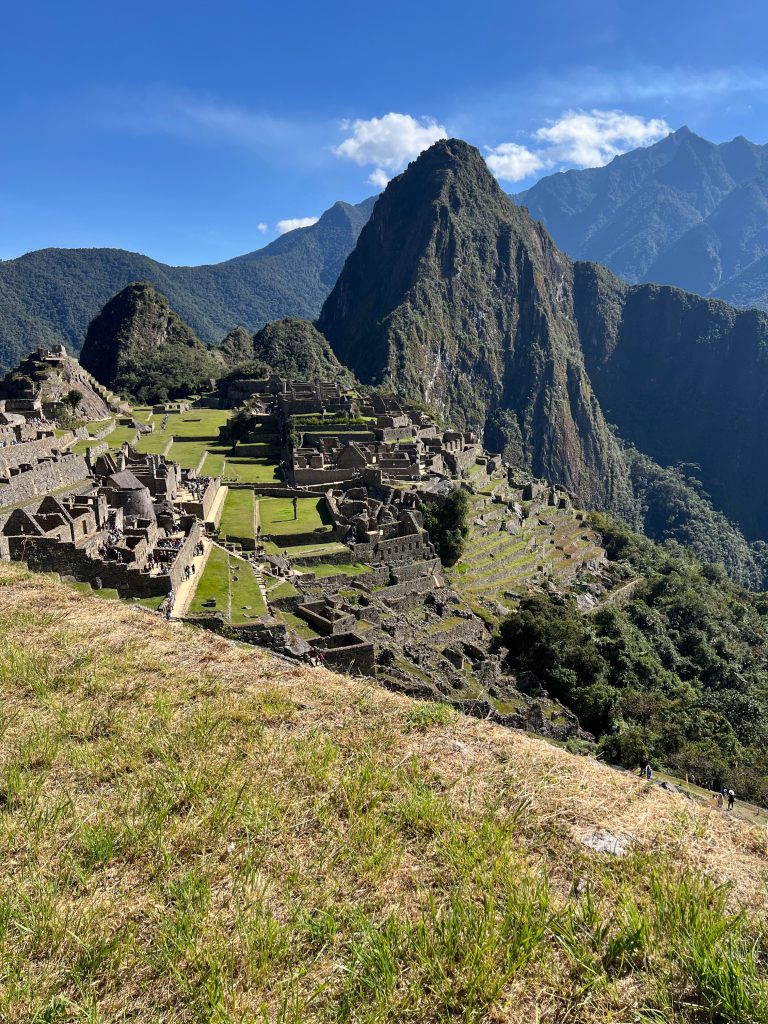
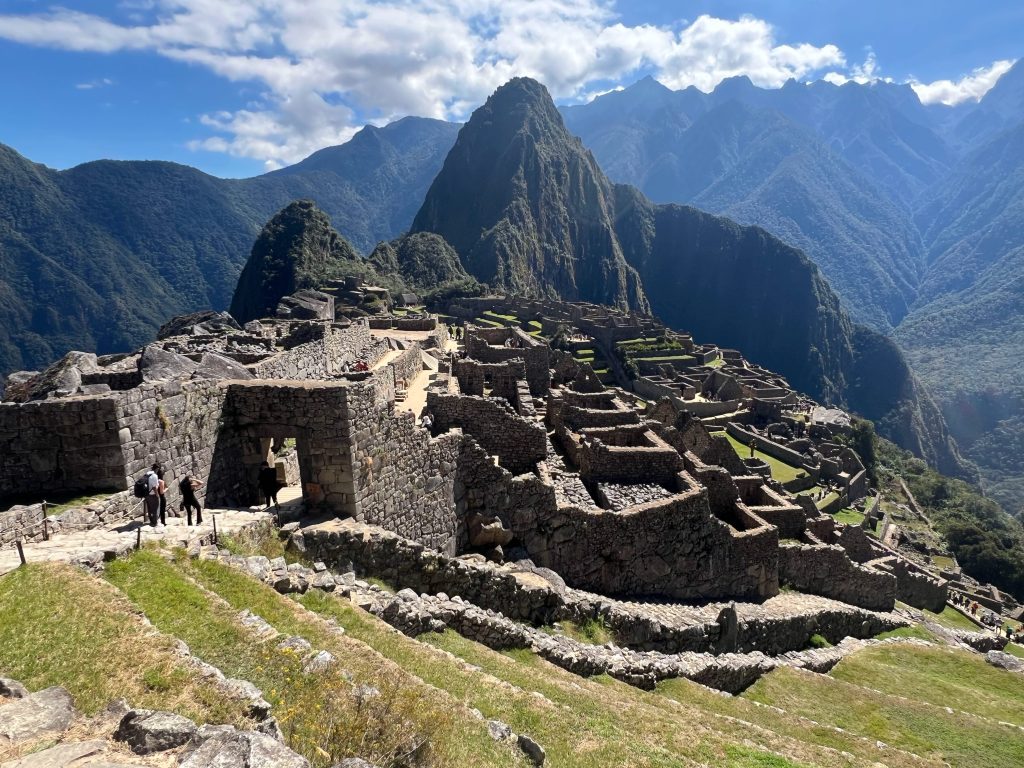
Standing before Machu Picchu yesterday morning was undeniably magical.
The scale, precision, and setting of the site was difficult to comprehend until you experience it firsthand. Yet beyond the awe lies a more complicated reality.
Machu Picchu sits at the intersection of preservation and tourism. It is both a global cultural treasure and one of Peru’s most important economic engines. Those two realities do not always align comfortably.
The very popularity that makes the site economically valuable also creates pressure on surrounding ecosystems, infrastructure, and communities. Every visitor contributes, however indirectly, to challenges related to transportation emissions, waste management, water usage, and overcrowding.
Fun Fact: Machu Picchu has set many limitations in place. For example, the tourist site use to let 10,000 people visit daily. People also could visit all day. Yet, due to weight like bags, it would cause human earthquakes. Now, time is limited to around two and a half hours and only 4,000 people can visit.
The question is not whether people should visit. Rather, it is how visitation can occur in ways that preserve the integrity of the place for future generations.
Shared Responsibility for Shared Heritage
Who bears responsibility for protecting places like Machu Picchu?
The answer cannot rest solely with local communities, nor can it be left to the discretion of tourism companies whose incentives may prioritize visitor volume over long-term preservation.
Governments have a critical role to play through visitor management systems, conservation funding, infrastructure investment, and regulations that ensure tourism revenue benefits local communities. Businesses likewise have a responsibility to move beyond extractive tourism models toward partnerships that create meaningful local value.
What struck me throughout the Sacred Valley is that examples of this alternative approach already exist.
Awamaki demonstrates how tourism and global commerce can support community autonomy rather than undermine it. El Albergue shows how hospitality can integrate environmental stewardship, local agriculture, and cultural preservation into its core operations. Together, they offer a vision of tourism that contributes to the places it depends on rather than simply consuming them.
Looking Beyond
Travel often encourages us to collect destinations, landmarks, and photographs. Yet some of the most meaningful lessons emerge when we slow down enough to understand the systems and communities that exist around those famous places.
Over the last two days, I have moved between ancient ruins, Indigenous cooperatives, organic farms, and one of the world’s most recognizable archaeological sites. What connects them is not simply geography but a shared lesson about stewardship.
Whether the subject is business, culture, or environmental sustainability, the most enduring models are not built on extraction. They are built on reciprocity, responsibility, and long-term relationships.
Machu Picchu may be the headline attraction of the Andes, but the deeper story of the Sacred Valley lies in the people and traditions that continue to show what true stewardship looks like.


Leave a Reply