What I noticed while wandering, walking, and cruising.
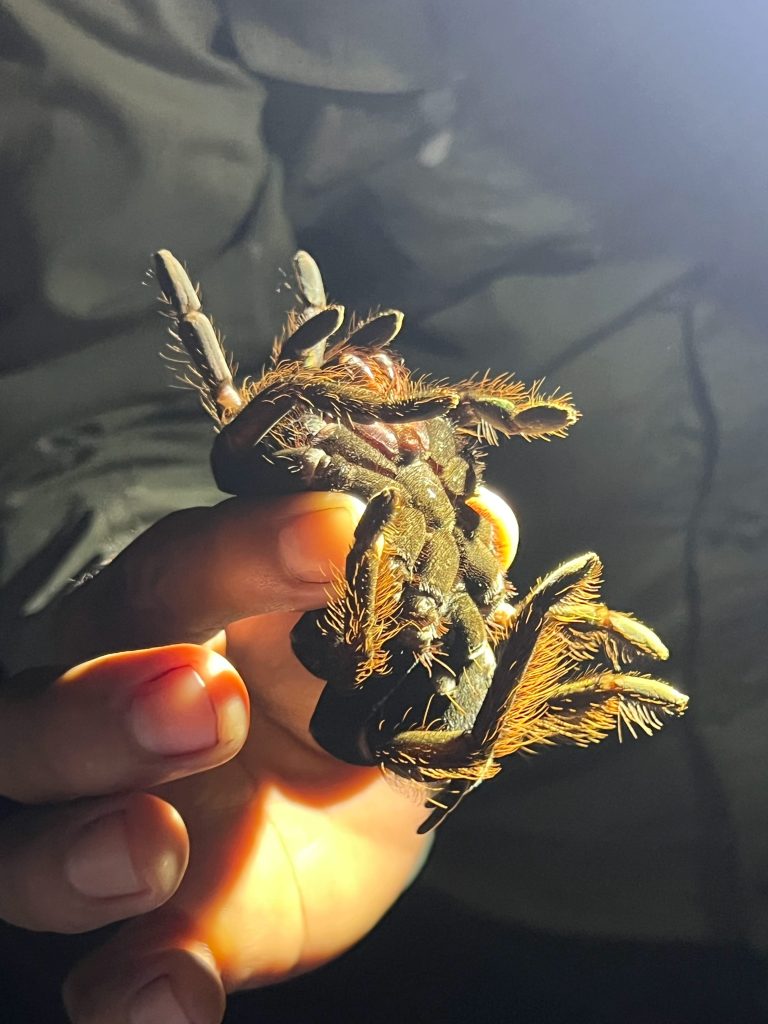
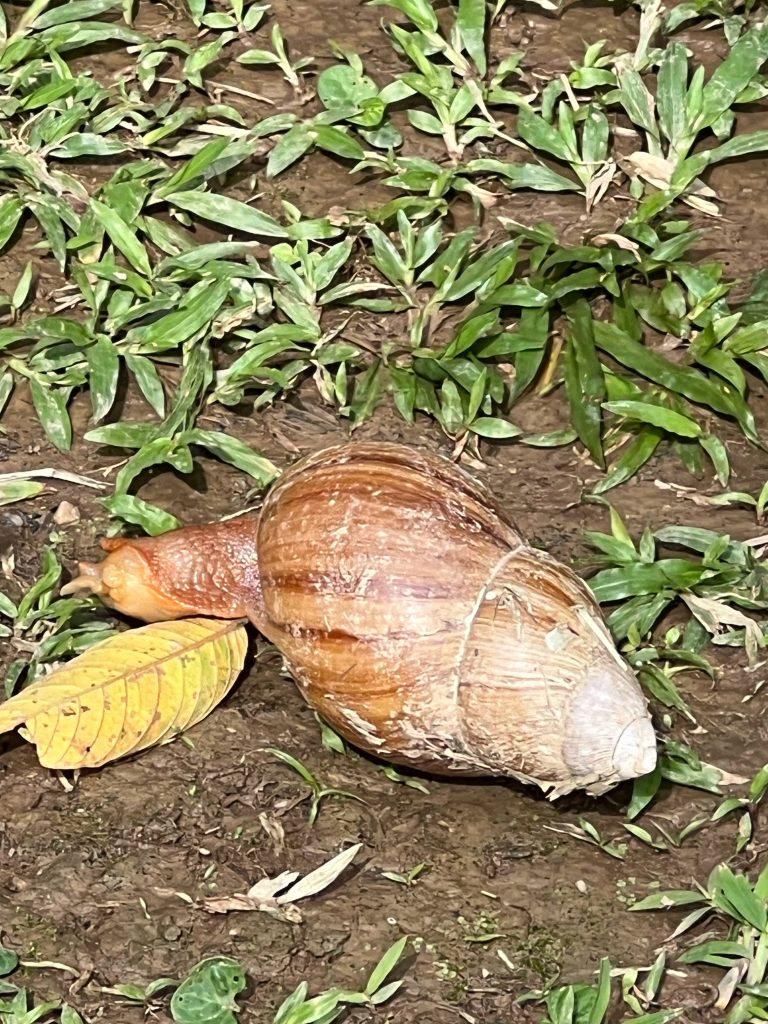
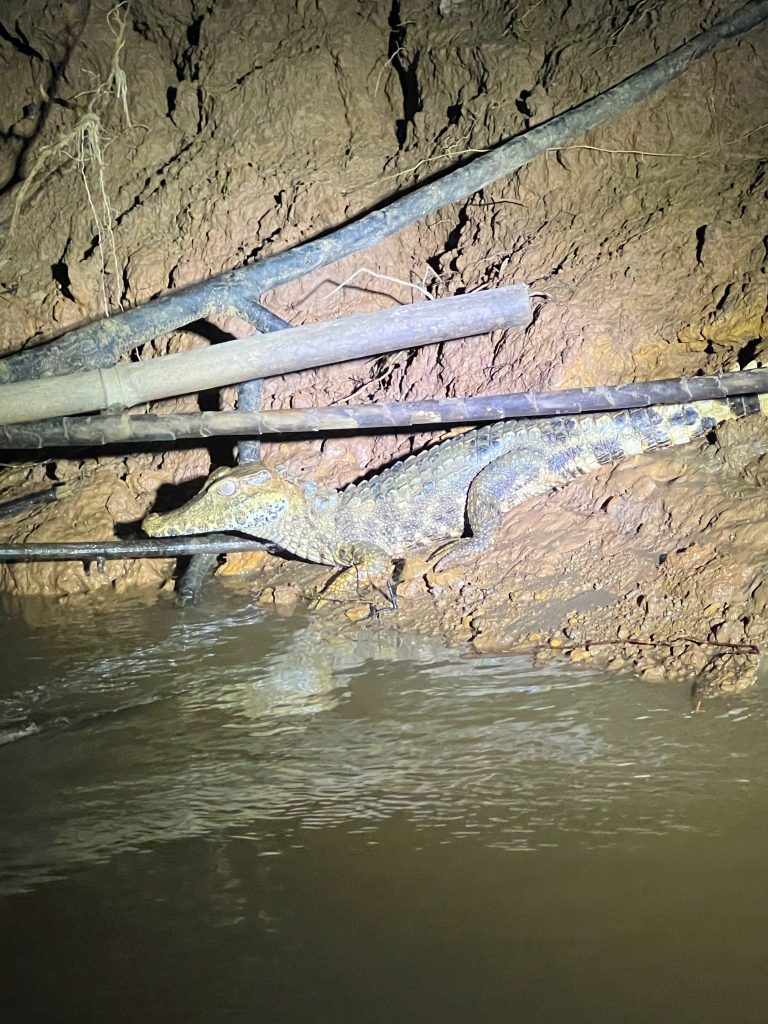
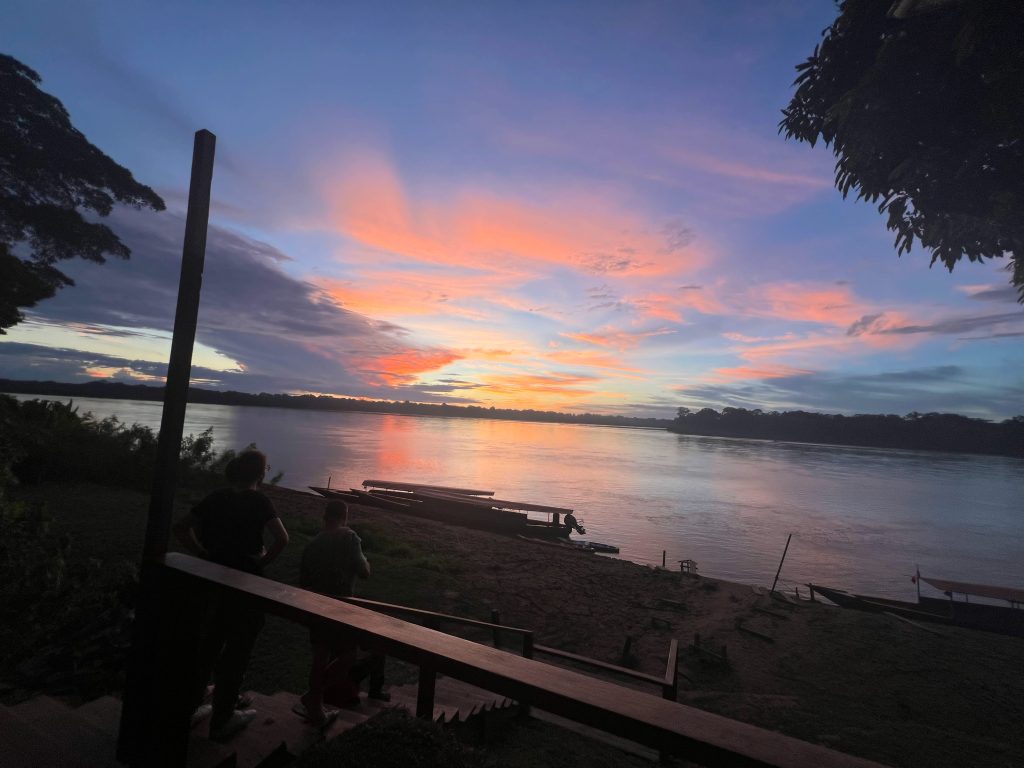
The Monte Amazónico Lodge was a unique experience and one that I’ll hold near and dear to me. One of the most striking observations at the Amazonian ecotourism lodge is the sheer abundance of life. Within the area, we witnessed multiple monkey species, macaws, caimans, insects, amphibians, and tons of plant species. The forest included towering canopy trees, understory vegetation, palm varieties, and cultural plants. This shows the complexity of a tropical rainforest ecosystem.
From observing, parts of the ecosystem remain relatively healthy. High species richness indicates functioning ecological relationships such as pollination, seed dispersal, predation, and nutrient cycling. Also, seeing wildlife regularly from walks, trails, and boat rides is proof that significant habitat remains intact.
However, biodiversity is not just about the number of species present in an ecosystem; it also involves maintaining distinct populations and preserving genetic diversity. One observation that particularly stood out to me was the hybrid monkey population on Monkey Island. While these monkeys are fascinating, their existence raises important conservation concerns. If this unique population were to disappear, it would represent a permanent loss to the island’s biodiversity. More broadly, the decline of genetically distinct populations can reduce overall ecosystem resilience and erase evolutionary traits that cannot be replaced once they are gone.
Reflections on habitats, hazards, and environmental strain.
As we were approaching the Amazonian lodge, the most apparent environmental stressor is water and trash pollution. Seeing plastic and other waste in the rivers and streams shows that human impacts extend deep into the forest. Because pollution threatens aquatic species, contaminates food chains, and diminishes ecosystem health. Trash is especially troubling in the Amazon because waters function as ecological highways connecting forests, floodplains, fish populations, and communities. What may appear to a small amount of litter may cause larger waste-management issues.
Another environmental stressor is human and wildlife interactions. It is great that animals roam free, but as humans enter their domain, they tend to appear uncomfortable if it is too much noise. It provided us opportunities to view and interact with them, it makes me wonder does tourism affect animal’s vulnerability.
Lastly, climate change was hard to miss on the trip. The weather on the first day was completely different from the last day of staying in the Amazonian lodge. The weather was hot and humid initially, then a thunderstorm came the next morning, causing the weather to be cool. While it might not seem like a stressor, it can cause shifts in wildlife abundance. Again, it makes be think about the resilience of the Amazon with factors like deforestation and climate change.
Ecotourism: Complementary or in Tension
Ecotourism can be both a conservation tool and a source of environmental challenges. On one hand, it provides economic incentives to protect forests by making intact ecosystems more valuable than activities such as logging, agriculture, or mining. On the other hand, tourism requires infrastructure, transportation, and resources that can disturb wildlife and place additional pressure on natural areas. As a result, ecotourism and conservation are complementary but not always perfectly aligned. Their success depends on responsible management practices, including habitat protection, waste reduction, and meaningful involvement of local communities. When properly managed, ecotourism can support long-term conservation efforts while also providing economic benefits to the people who live in and depend on these ecosystems.
International Environmental Law/Treaty
The Convention on Biological Diversity (CBD), adopted at the 1992 Earth Summit in Rio de Janeiro, is one of the most important international environmental agreements because it seeks to conserve biodiversity, promote the sustainable use of biological resources, and ensure the fair and equitable sharing of benefits derived from genetic resources. Although the treaty applies globally, its goals are especially relevant to the Amazon, which contains some of the highest levels of biodiversity and genetic diversity on Earth. Before visiting the Amazon, the CBD may appear to offer a straightforward framework for protecting nature, but firsthand observations reveal the complexity of putting these principles into practice. For example, seeing hybrid monkey populations raises difficult questions about what biodiversity conservation actually means when genetically distinct species begin to interbreed, potentially threatening the survival of unique lineages. Likewise, ecotourism is often promoted as a sustainable use of natural resources, yet witnessing the environmental footprint of tourism prompts questions about how much tourism can truly be considered sustainable. The issue of benefit sharing also becomes more complicated when considering whether the greatest advantages should go to local communities, ecotourism businesses, governments, or international visitors. Visible environmental stressors such as plastic trash in waterways and signs of habitat disturbance demonstrate that international legal commitments alone do not guarantee effective conservation on the ground. Instead, successful implementation requires enforcement, funding, scientific monitoring, and community involvement. These realities highlight the significant responsibilities of corporations operating in or near sensitive ecosystems. Beyond simply complying with environmental regulations, businesses should prevent pollution, maintain effective waste-management systems, avoid habitat destruction and fragmentation, monitor vulnerable wildlife populations, support scientific research, and work collaboratively with Indigenous peoples and local communities. The example of hybrid monkeys is particularly significant because it illustrates that biodiversity protection is not only about preventing extinction but also about preserving unique genetic heritage that, once lost, cannot be recovered. Ultimately, experiencing the Amazon firsthand deepens understanding of the CBD by revealing both the value of its goals and the challenges of achieving them in a complex and rapidly changing ecosystem.
My Personal Highlights on the Trip
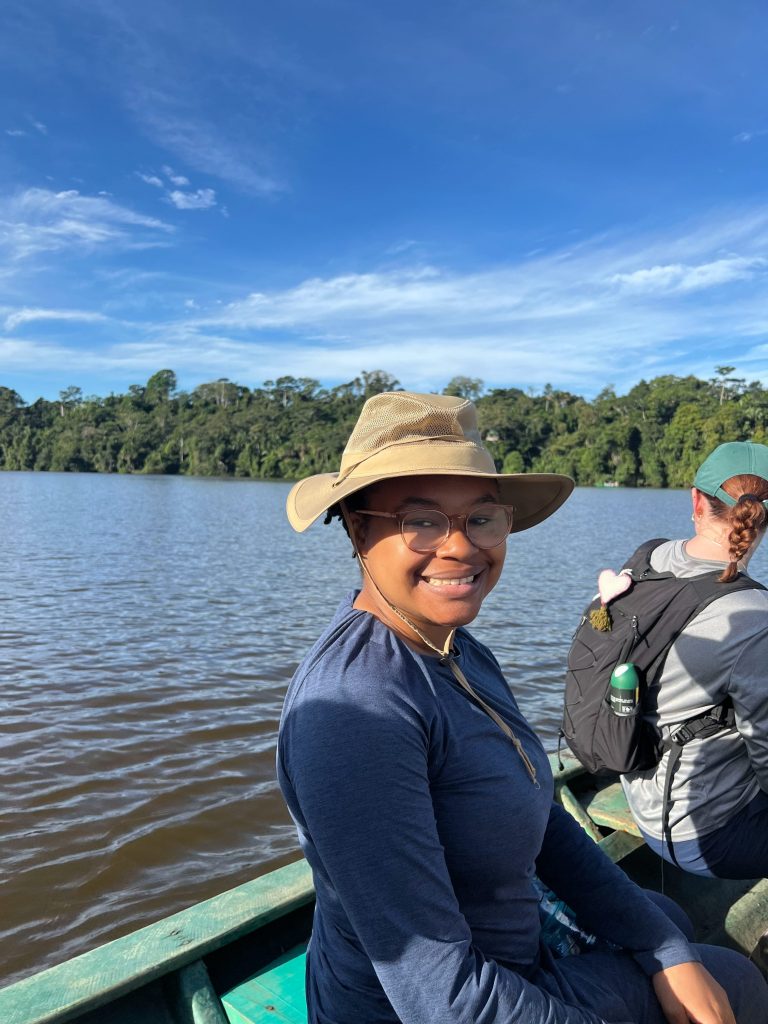
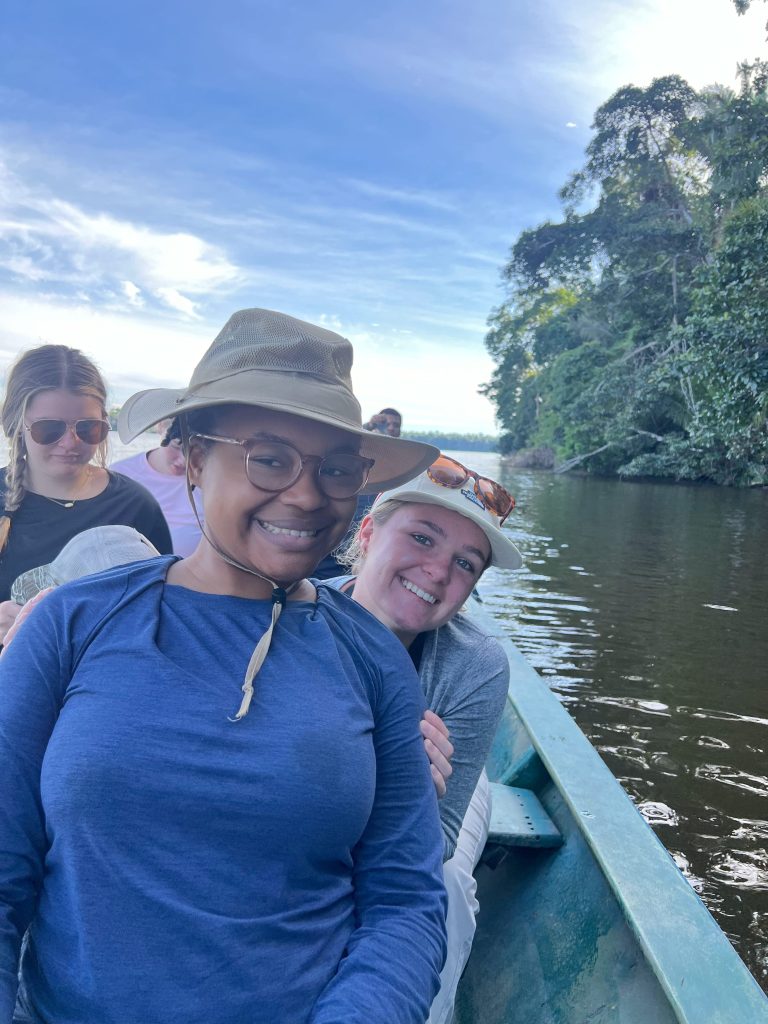
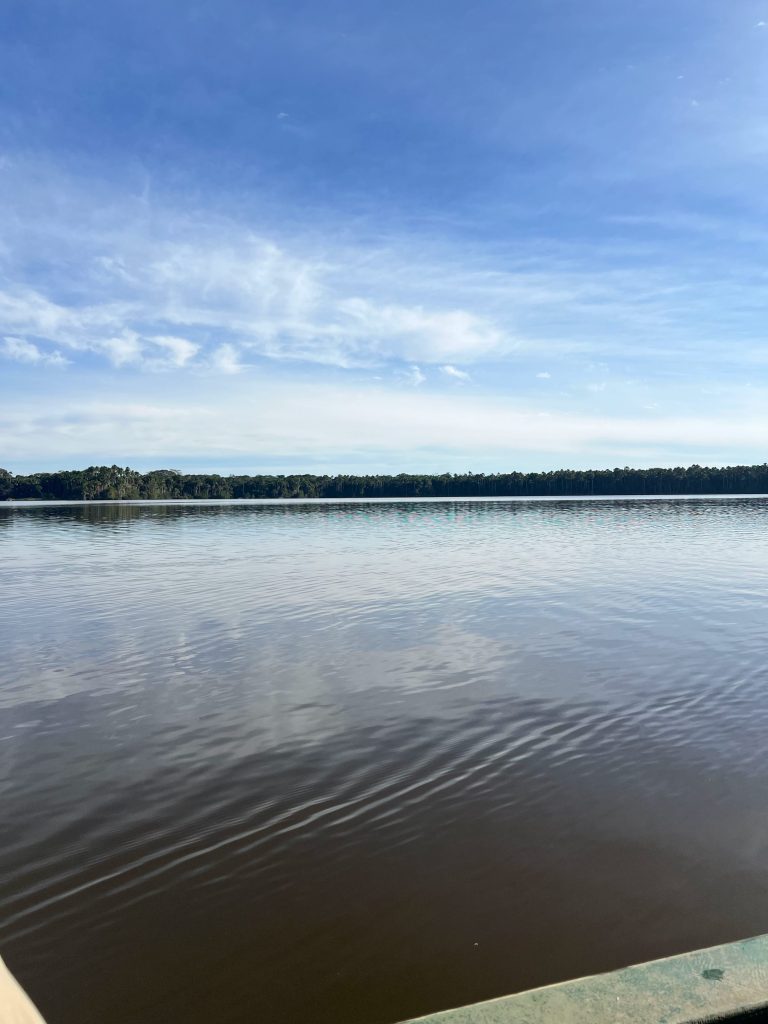
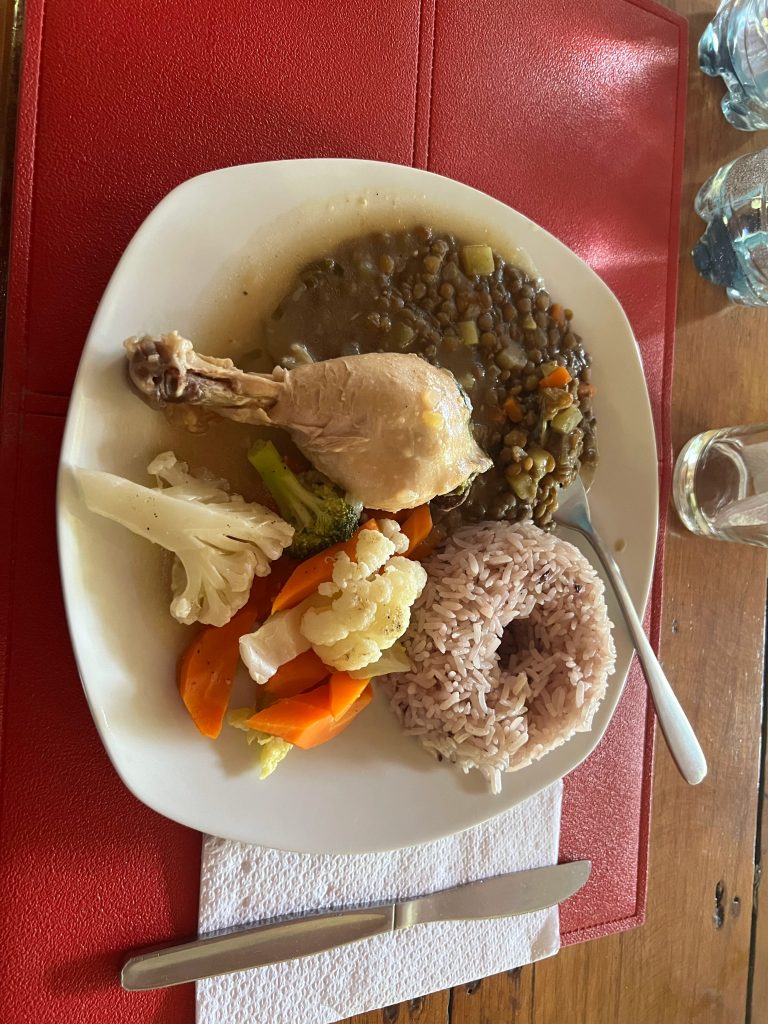
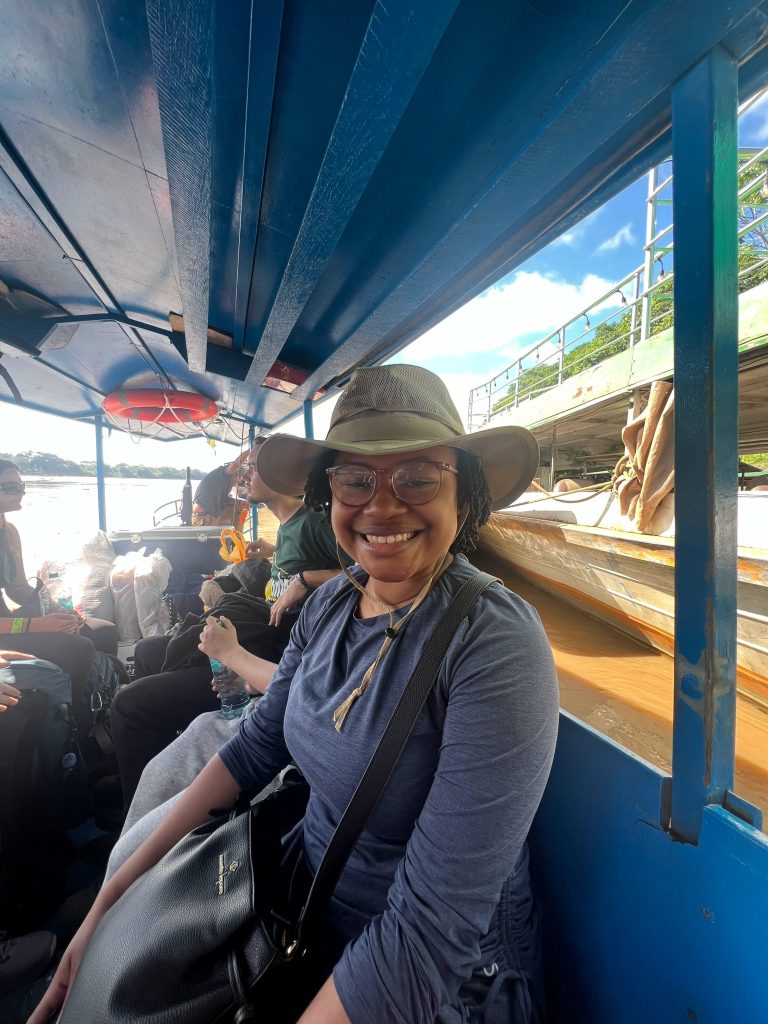
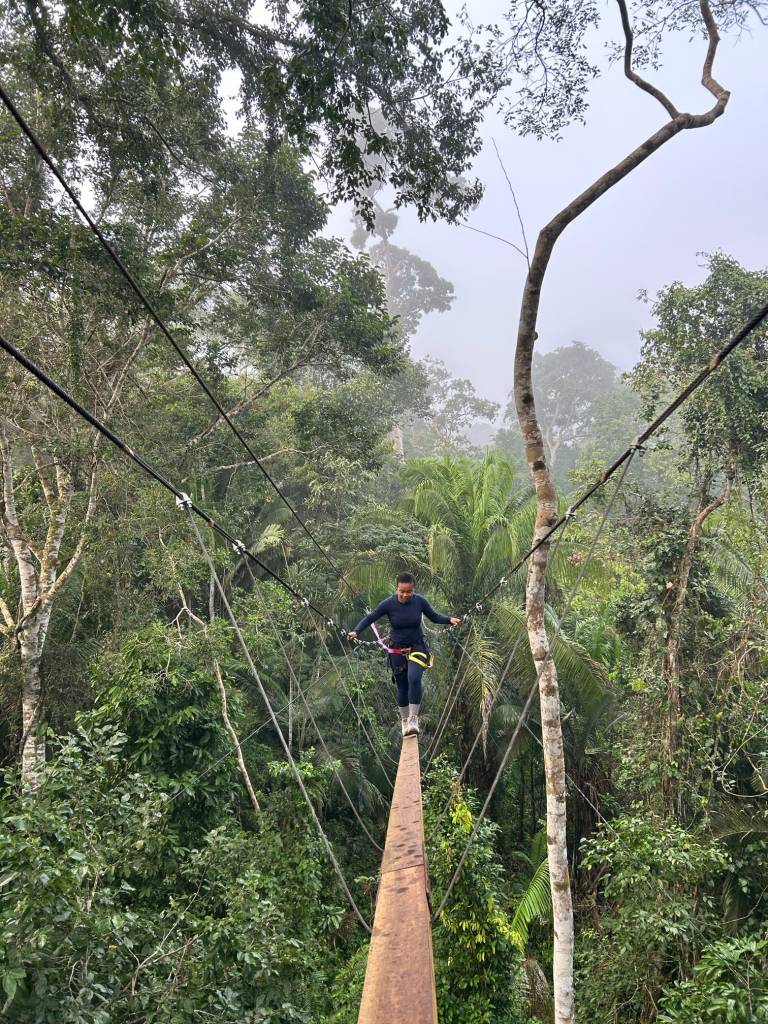
My personal highlights from the trip included: the boat rides, walking, zip-lining, and the food. I love water, so the boat rides were a highlight for no matter how rocky they were. Also, I felt like I was rocking on the boat until I would go to sleep at night. Walking was great too. Being able to see nature and wildlife in person and explore and learn more about it was fascinating to me. Zip-lining was exhilarating; I wasn’t expecting it to be as fast as it was. Nor did I expect to go backwards on the cable and to be pulled by on sandbag. But, that’s neither here nor there. Lastly, the food was phenomenal! We were provided multiple courses and I think I was impressed by how great the food tasted and variety of options they provided us.
 Site Title
Leave a comment