We are now more than halfway through our stay in Lima, and the days have been filled with laughter, incredible food, and countless memories that we will carry with us long after this trip ends. Beyond the fun and excitement, we have also had the opportunity to experience aspects of Peruvian culture and history that have deepened our understanding of the country and its people.
One of our first stops was the Museo Larco, a museum dedicated to showcasing Peru’s rich pre-Columbian history through its vast collection of artifacts and artwork. From the moment I walked through the exhibits, I was both impressed and amazed by everything I saw. The level of craftsmanship displayed throughout the museum is truly remarkable. It is difficult to imagine creating stone carvings, pottery, textiles, weapons, and jewelry entirely by hand, yet the artistry of each piece demonstrate the extraordinary skill of the civilizations that produced them.
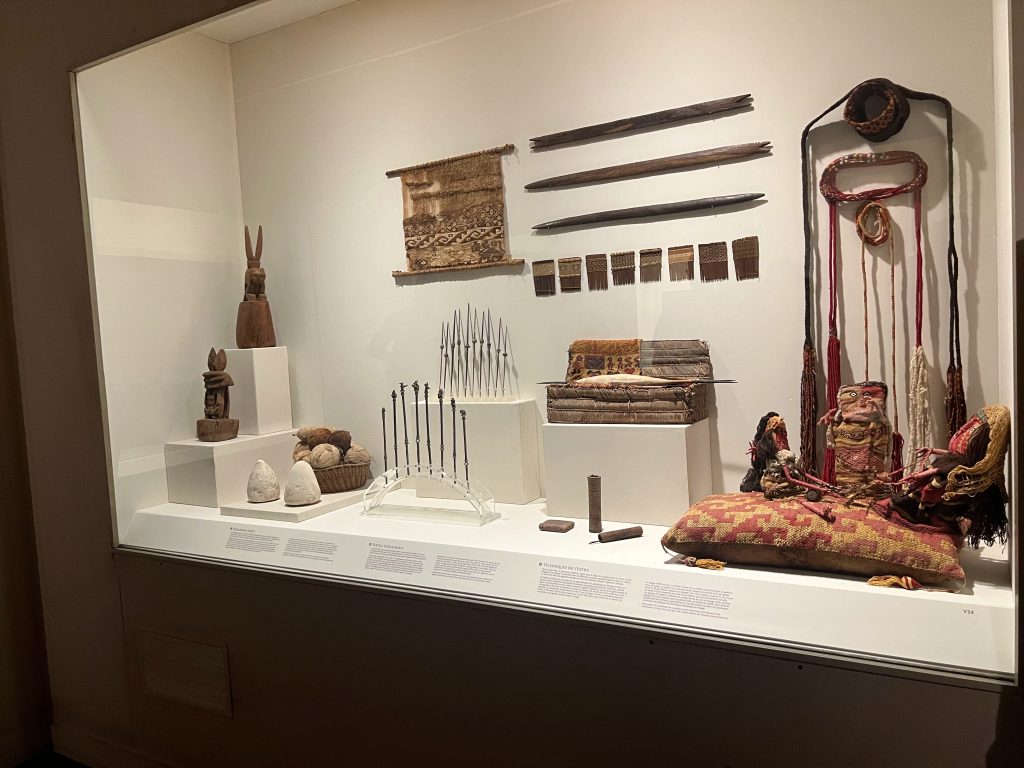
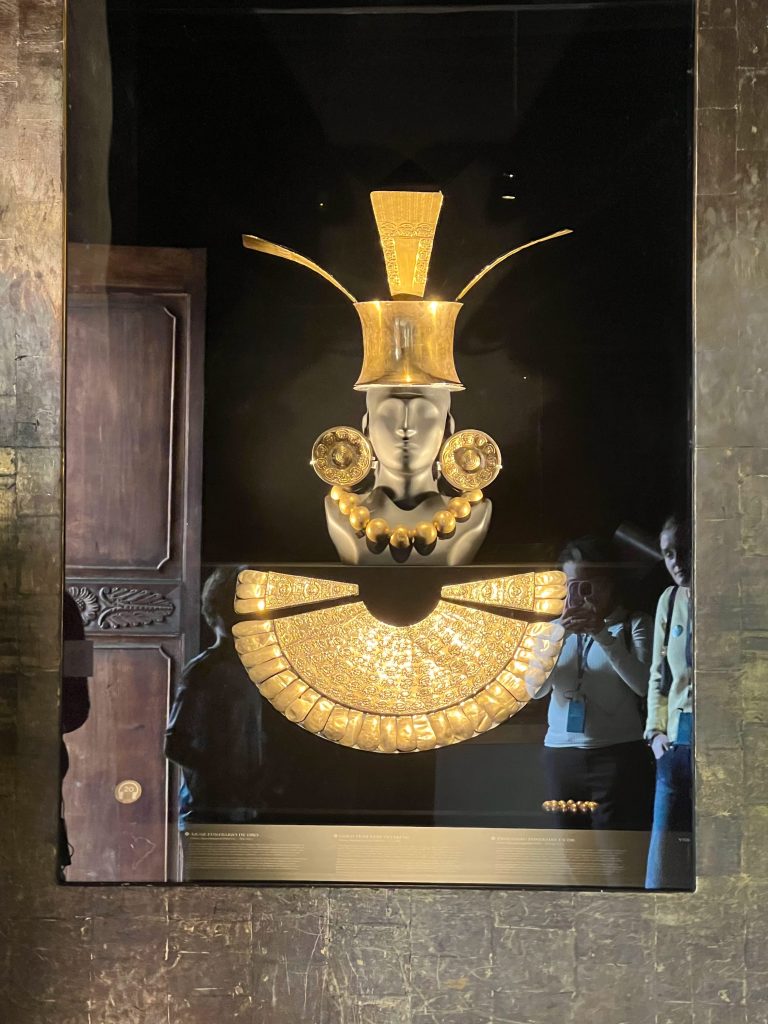
Of all the exhibits, I was especially drawn to the textiles and jewelry. The textiles fascinated me because they often served as more than just fabric; they were a means of communication, carrying stories, symbols, and messages woven into their designs. The jewelry was equally captivating, particularly the pieces crafted from silver and gold. Their beauty, detail, and sophistication reflected not only artistic talent but also the cultural significance these materials held in ancient Peruvian societies. Visiting the museum was an unforgettable experience and gave me an even greater appreciation for Peru’s rich heritage and the ingenuity of its early civilizations.
One thought that came to mind during my visit was the connection between Peru and Chinese culture. I know there is a historical Chinese influence in Peru, particularly through immigration and the blending of traditions over time. Seeing the artifacts made me wonder about the similarities and differences between Peruvian jade and Chinese jade. Both cultures have long valued jade for its beauty and symbolic importance, but I am curious whether the materials, craftsmanship, and cultural meanings associated with jade differ between the two regions. I think the similarities and differences between various cultures using, eating, etc. something similar, but different in that to express their beliefs, values, and artistic traditions.
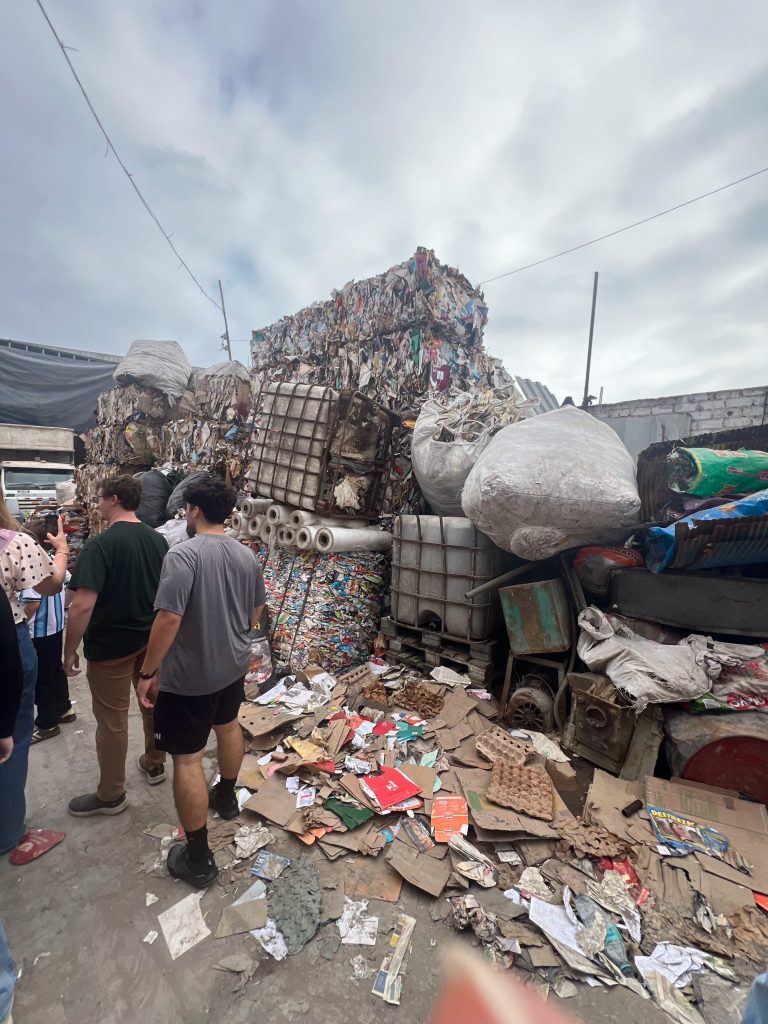
Next stop, KPA! Another memorable moment was learning about KPA Recycling and Peru’s recycling infrastructure. It was interesting to see the efforts being made to improve waste management and increase recycling throughout the country. While Peru continues to face challenges in expanding recycling access and participation, organizations like KPA are helping create more sustainable solutions by promoting material recovery and environmental awareness. Seeing this initiatives firsthand provided valuable insight into how communities and businesses are working together to reduce waste and build a more sustainable future.
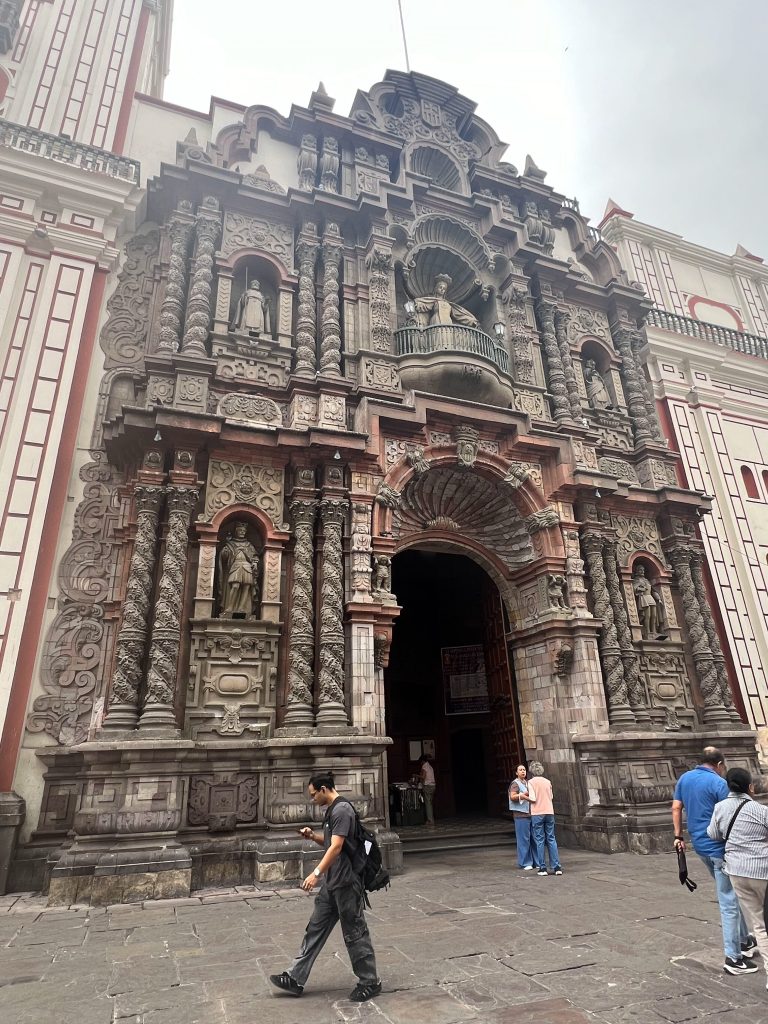
Today, exploring Lima has given us the opportunity to view its modern charm and its rich history. Walking through Miraflores, we enjoyed the vibrant atmosphere, beautiful parks, and views of the Pacific Ocean. The neighborhood felt busy and energetic, with restaurants, shops, and music. But, visiting Lima’s historic center felt like stepping back in time. The colonial architecture, grand plazas, ornate churches, and centuries-old buildings offered a glimpse into Peru’s past and the lasting influence of the Spanish. As we walked and walked, I was stunned by how well the city preserves its heritage while continuing to prosper as a modern capital. Experiencing both Miraflores and the historic center provided a new perspective for Lima’s culture, history, and identity.
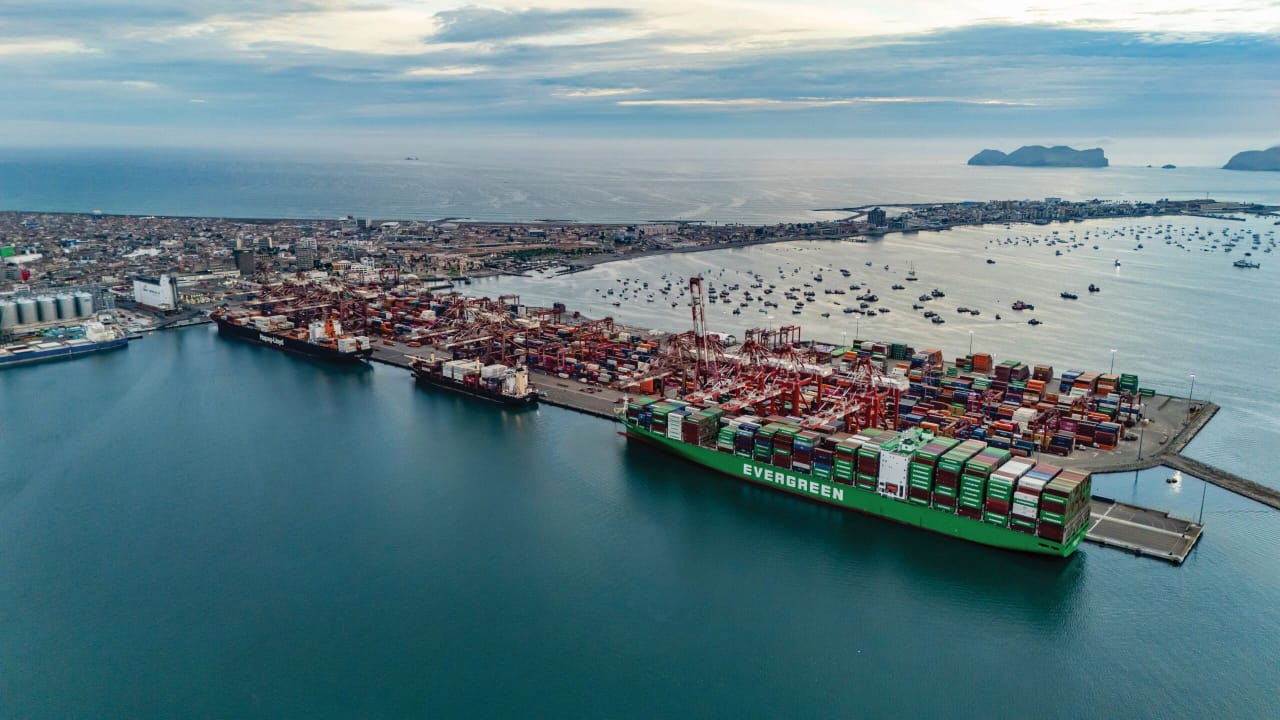
Lastly, our tour of DP World’s operations at the Port of Callao provided a fascinating look into one of the busiest and most important ports on the Pacific coast of South America. What impressed me most was the scale of the operation and the extent to which technology and automation have transformed port efficiency. Since 2005, productivity has increased dramatically, with container handling rates rising from approximately 10–11 containers per hour to 28 containers per hour in 2025. Cargo volume has also grown significantly, from 887,600 containers in 2005 to more than 2.1 million in 2025. It was interesting to learn that the port is currently in Phase 2 of its automation strategy, combining automated, assisted, and manual operations, with Phase 3 planned for 2028. While automation continues to expand, DP World emphasized its efforts to redistribute workers into new roles rather than eliminate jobs altogether.
The visit highlighted Peru’s critical role in the global supply chain. The Port of Callao serves as a major gateway for international trade, connecting Peru to markets across the world while ensuring goods enter and leave the country efficiently. Its strategic location on the Pacific coast has made it an important hub for commerce for centuries. This connection between geography and trade became even more apparent when comparing the modern port to Lima’s historic colonial center. The colonial architecture, plazas, and churches reflect Peru’s long history as a center of trade and administration during the Spanish Empire, while the port demonstrates how Lima continues to serve as a vital link in global commerce today.
Sustainability was another major theme of the visit. DP World shared its decarbonization strategy, which was launched in 2019 with the goal of achieving net-zero carbon emissions by 2050. The company has already begun transitioning equipment from diesel to hybrid and electric alternatives and now operates ten electric charging stations with twenty connectors powered by 100% renewable energy. Plans are underway to further expand this infrastructure in the coming years.
At the same time, the discussion made clear that significant challenges remain. Much of the port’s emissions fall under Scope 3 categories, particularly from the ships it serves, making decarbonization more complex. Climate-related risks such as wildfires, droughts, glacier loss, water shortages, and biodiversity loss were also identified as growing concerns that could impact both business operations and surrounding communities. However, the visible shift toward electric equipment, renewable energy, and long-term environmental planning suggested that the company is taking its public commitments seriously.
The visit also highlighted the importance of people in maintaining a globally competitive port. DP World emphasized equal opportunity policies and workforce development, recognizing that operational success depends on skilled employees. Learning about labor practices, benefits, and efforts to navigate challenges associated with Peru’s informal economy provided additional insight into the social dimensions of sustainability.
Overall, the Port of Callao demonstrated how geography, history, and global commerce intersect in Lima. Peru’s location on the Pacific coast has made it a center of trade for centuries, from the colonial era to the modern global economy. Today, advanced technology, international trade networks, and sustainability initiatives are shaping the next chapter of that story, illustrating both the opportunities and challenges of operating a major port in an increasingly interconnected world


Leave a Reply